
Background and Pain Points
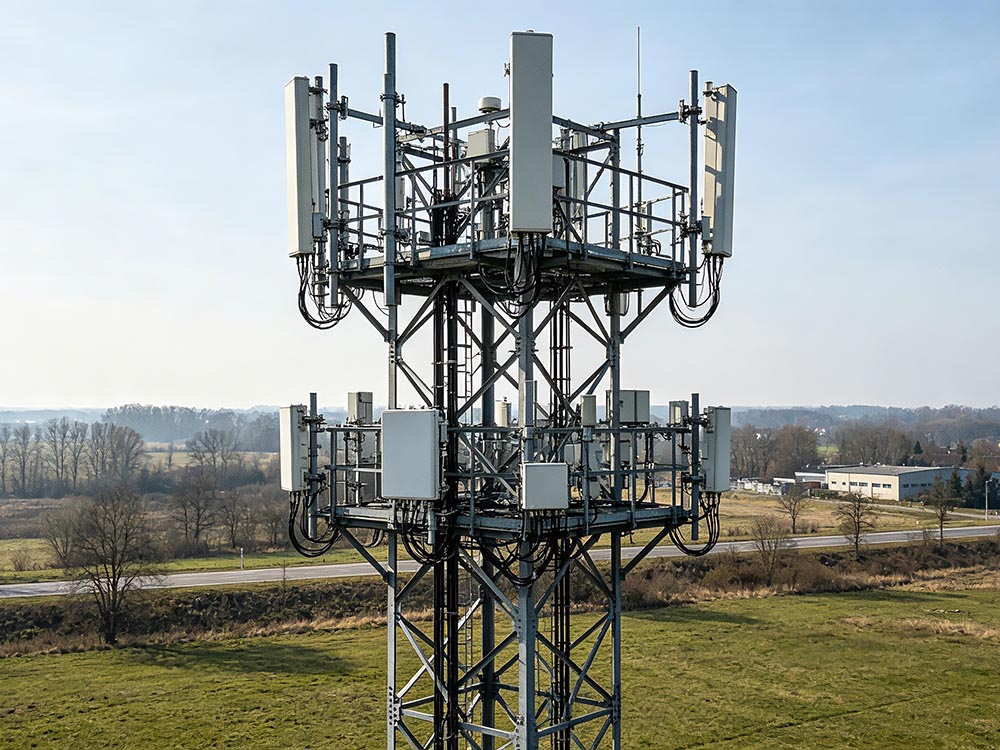
In early 2025, a communications base station in Zhongshan, Guangdong, began experiencing intermittent GNSS timing drift. The site is located near a small industrial park, and field engineers suspected a mix of deliberate and accidental interference from nearby equipment. For a base station, losing GNSS lock does not just affect positioning. It breaks synchronization across the network, triggers alarms, and forces manual resets. The existing timing receiver had no anti-jamming capability. Interference typically lasted from a few minutes to several hours, especially during daytime operations, and the maintenance team had to make repeated site visits. Network performance suffered, and the operator started looking for a retrofit solution that would not require replacing the entire timing system. The site’s location made it difficult to identify the interference source, so a robust nulling solution was preferred over manual troubleshooting.
Procurement Specification
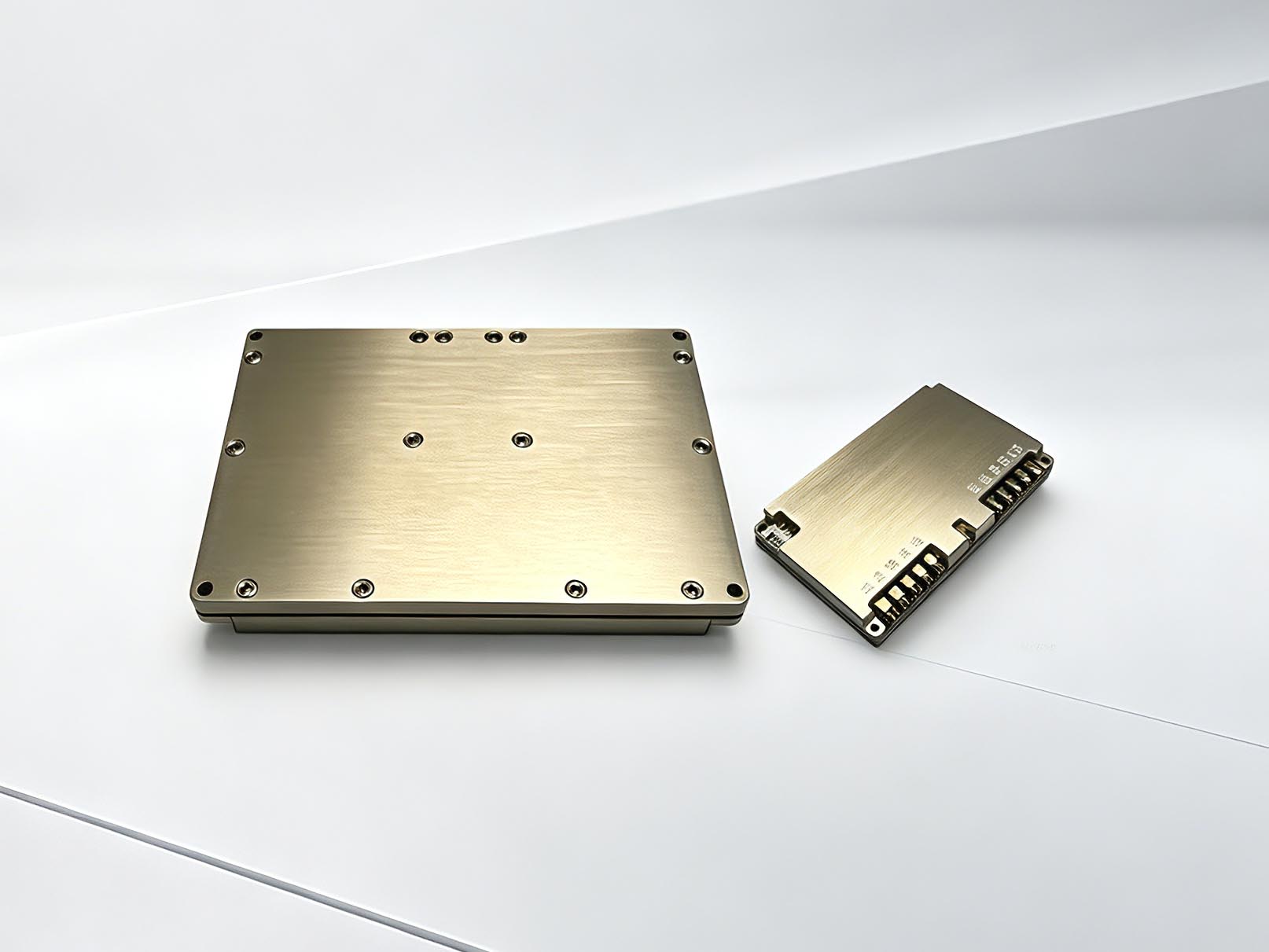
The project team needed a compact anti-jamming unit that could be installed inside the existing cabinet without major structural changes. Rack-sized anti-jam systems were too heavy and too expensive for a single base station. After evaluating several options, the team selected the BNTDF8BAJ dual-band eight-channel anti-jamming antenna processor. This model supports BDS-B1, BDS-B3, GPS-L1, GPS-L2, GLONASS-L1, and Galileo-E1. It can run as a single-band eight-element array for deeper nulling against up to seven jammers, or as a dual-band four-element array for simultaneous protection of two frequency bands. The board operates from 9–36 VDC, draws 16 W typical, and weighs 96 g with dimensions of 90×60×11±0.5 mm. RF output is between -70 and -40 dBm, which suits most GNSS receiver inputs without external pads. The unit provides RS422 or UART data output, one GPI, and one GPO for status indication.
Actual Performance and Data
The team configured the board in single-band eight-element mode to maximize nulling depth against multiple interference sources. Installation was straightforward. The unit was mounted inside the base station cabinet, away from switching regulators and high-current paths, and all eight RF input cables were matched in length and phase for accurate spatial nulling. After array calibration, the improvement was immediate. In single-jammer tests conducted near the site, rejection exceeded 110 dB. With three active jammers placed at different angles, the processor maintained more than 95 dB suppression. In a worst-case scenario with seven simultaneous threats, nulling depth stayed at or above 80 dB. The base station’s GNSS receiver locked within seconds and held stable timing even when interference was deliberately introduced during validation.
During a two-week monitoring period, the site recorded zero GNSS timing alarms, compared with an average of six to eight alarms per week before the retrofit. The processed RF output remained between -70 and -40 dBm, matching the receiver input range without additional pads. The RS422 data link provided real-time status, and the GPI pin was used to trigger an external alarm if nulling performance dropped below a set threshold. Field engineers also noted that the board’s input AGC handled up to +10 dBm per channel without saturation, which was useful during strong interference bursts.
Project Value
The BNTDF8BAJ solved the interference problem without forcing the operator to replace the entire timing system. The board weighs 96 g and measures only 90×60×11 mm, so installation took less than one afternoon. The 16 W power draw had no meaningful impact on the site’s DC budget. Because the same hardware supports dual-band four-element mode, the operator can later switch to simultaneous BDS-B3 and GPS-L1 protection if the interference environment changes, without swapping modules. More importantly, the project showed that effective anti-jamming does not have to come in a rack-sized enclosure. The BNTDF8BAJ delivered seven-jammer nulling, dynamic band selection, and deep rejection in a footprint small enough for a base station cabinet. That combination of performance, size, and cost made the Zhongshan deployment a reference case for other interference-prone sites in the region. The operator now plans to roll out the same module to three additional sites in the Pearl River Delta.