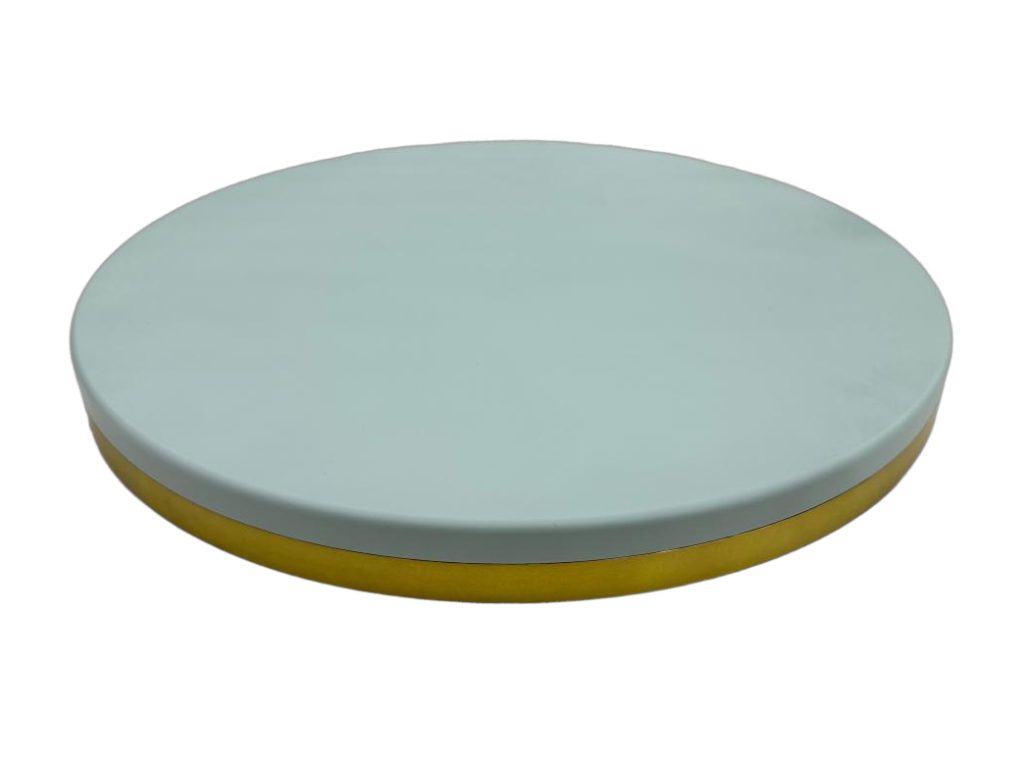
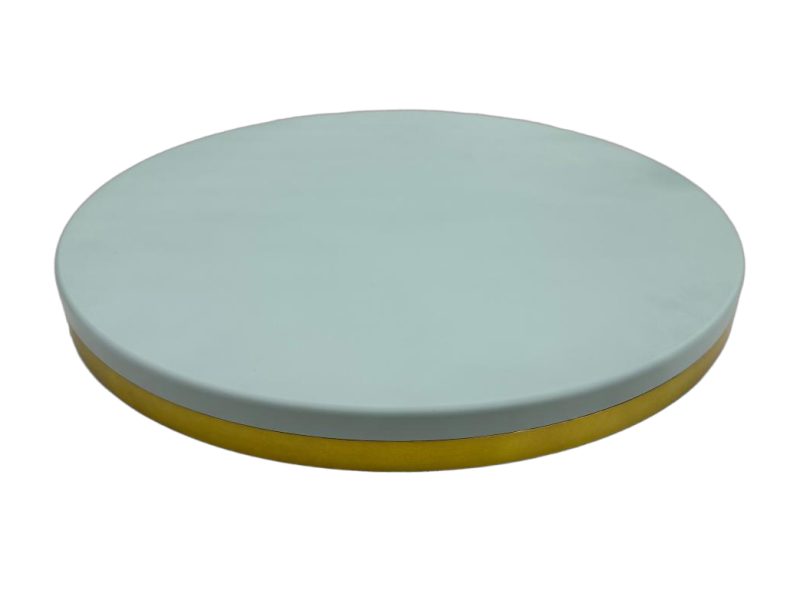
When GNSS signals disappear under electronic attack, the mission clock starts ticking. Most navigation systems can’t tell the difference between a deliberate spoof and a harmless multipath reflection. That’s exactly where the BNT2512 16-element anti-jamming and anti-spoofing antenna steps in. It’s built for unmanned platforms and critical infrastructure that can’t afford even one second of PNT uncertainty.
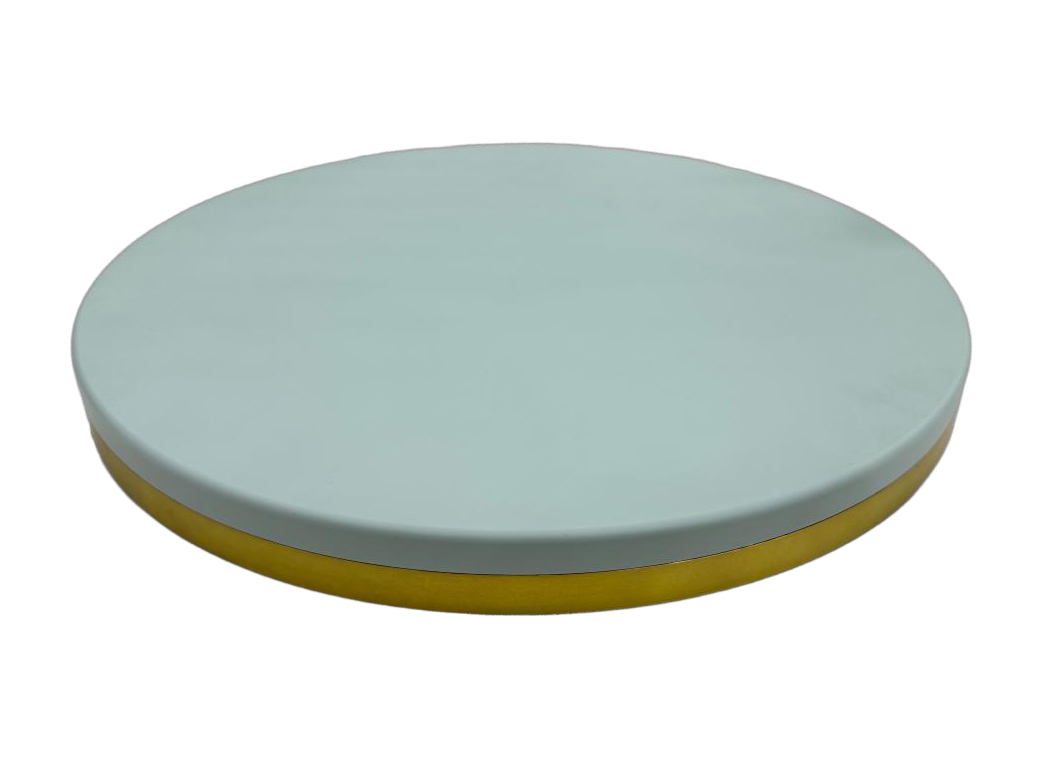
This unit doesn’t just filter noise. It actively nulls up to 15 independent jamming sources while stripping away spoofing signals across both BDS B1i and GPS L1. The result is a clean, trustworthy satellite feed—even in contested RF environments.
What Makes the 16-Element Array Different
A standard GNSS antenna has one or two elements. The BNT2512 uses sixteen. That’s not marketing fluff. More elements mean sharper spatial filtering, faster null steering, and better rejection of multiple simultaneous threats. The 16-element anti-jamming and anti-spoofing antenna achieves a single-interferer J/S ratio of ≥120 dB. With seven interferers active, performance holds at ≥105 dB. Push it to fifteen jammers, and you still get ≥95 dB of suppression.
Spoofing protection is equally aggressive. The onboard processor handles asynchronous, synchronous, and repeater-type attacks. After processing, residual spoofing CN0 never exceeds 20 dB—low enough that downstream receivers lock onto authentic satellites without confusion.
All-in-One Hardware, No External Boxes
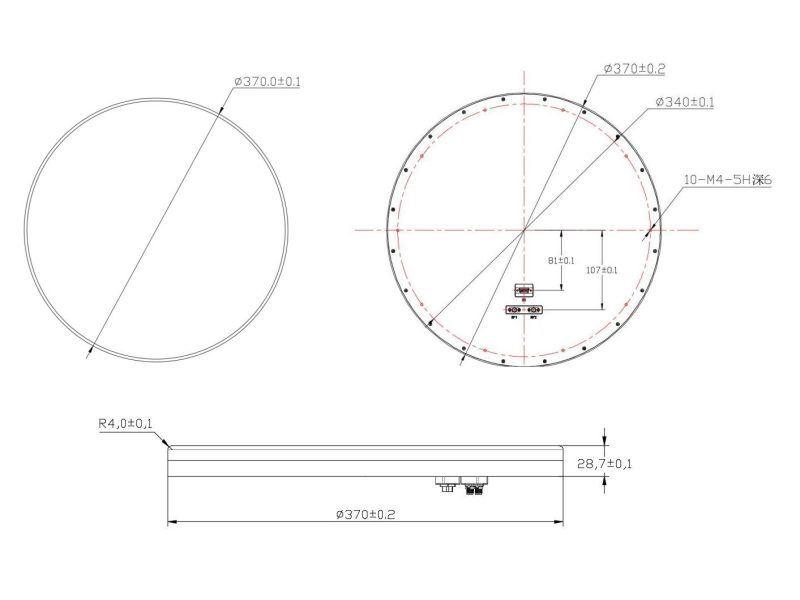
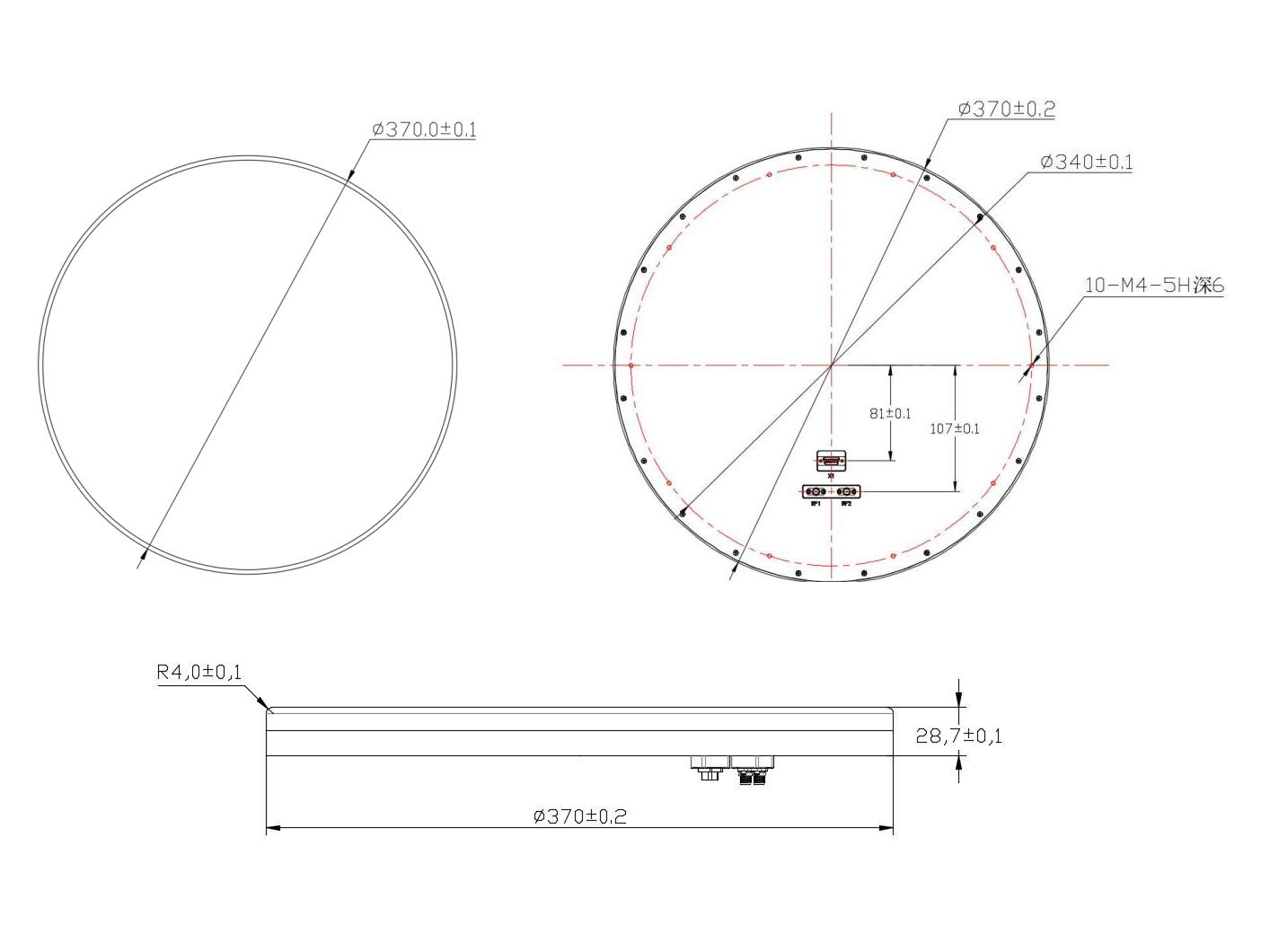
Everything lives inside one Φ370 mm × 28.7 mm housing that weighs under 2.6 kg. The antenna array, anti-jam processor, and u-blox M10 receiver share a single enclosure. Power input spans 12–34 V DC, with overvoltage and reverse-polarity protection built in. Total draw stays under 40 W, so it won’t kill a UAV’s battery budget.
The RF front end tolerates continuous wave power up to 10 W without damage. That’s important in convoy or vehicle-mounted scenarios where close-range emitters are common.
Two Ways to Connect
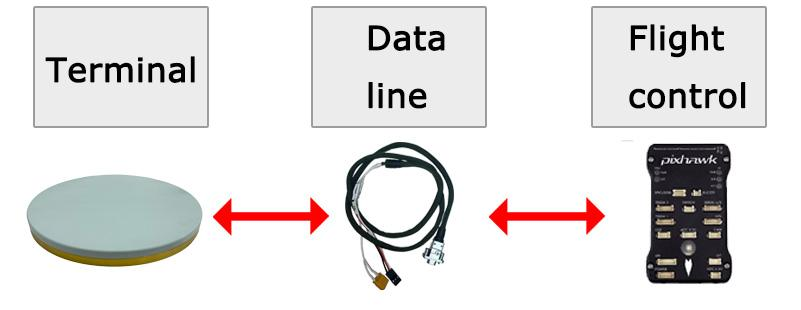
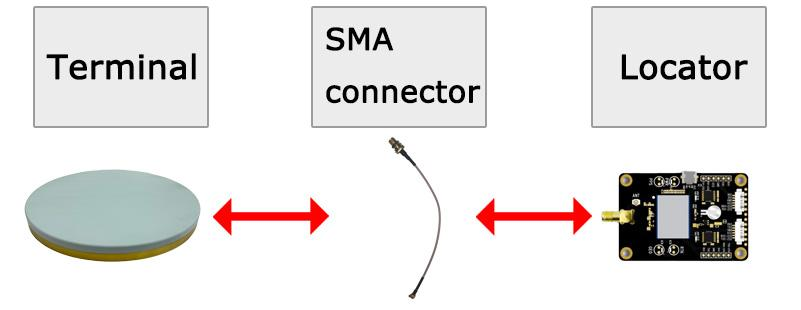
The 16-element anti-jamming and anti-spoofing antenna gives you flexibility. Use the TTL serial interface (J30J-15ZK connector) to feed NMEA 0183 or u-blox protocol data directly to a flight controller. Or grab the SMA RF output and treat the whole unit as a drop-in replacement for a standard active GNSS antenna. The RF link uses a single-cable design—power, data, and RF ride one coax line, simplifying installation on existing platforms.
Just keep one thing in mind: if you connect via the RF port, make sure the receiving device doesn’t feed more than 5 V DC back into the antenna. Most modern receivers are fine, but older equipment can cause conflicts.
Built for the Ugly Stuff
Rain, humidity, temperature swings—none of it matters. The BNT2512 meets GJB150A rain test requirements, operates continuously from -40°C to +55°C, and survives storage from -55°C to +70°C. The enclosure is light gray, low-profile, and designed to disappear into an airframe or vehicle roof.
For teams already running u-blox receivers or integrating with common autopilots, the internal M10 module means zero additional software work. You get standard NMEA sentences or binary output right out of the box.
Where the BNT2512 Earns Its Keep
This isn’t a lab toy. The 16-element anti-jamming and anti-spoofing antenna targets power grid timing, telecom synchronization, financial timestamping, and military-grade logistics. UAVs, UGVs, USVs, and convoy protection systems all benefit from the hardened PNT layer. If your platform operates anywhere near jammers or spoofers—and let’s be honest, that’s everywhere now—the BNT2512 is the difference between arriving on target and ending up in a ditch.