
Export Compliance for Anti-Jamming Products starts long before a box is sealed or a commercial invoice is printed. It begins with classification, jurisdiction, end-user screening, and a clear understanding of how anti-jamming hardware, CRPA antennas, RF test gear, and jammer modules are treated under trade controls. Get one step wrong, and a routine shipment can turn into a detention, a license denial, or a reputational problem.
This article is not legal advice. It is a practical industry map for engineers, sales teams, and compliance officers who need to ask better questions earlier.
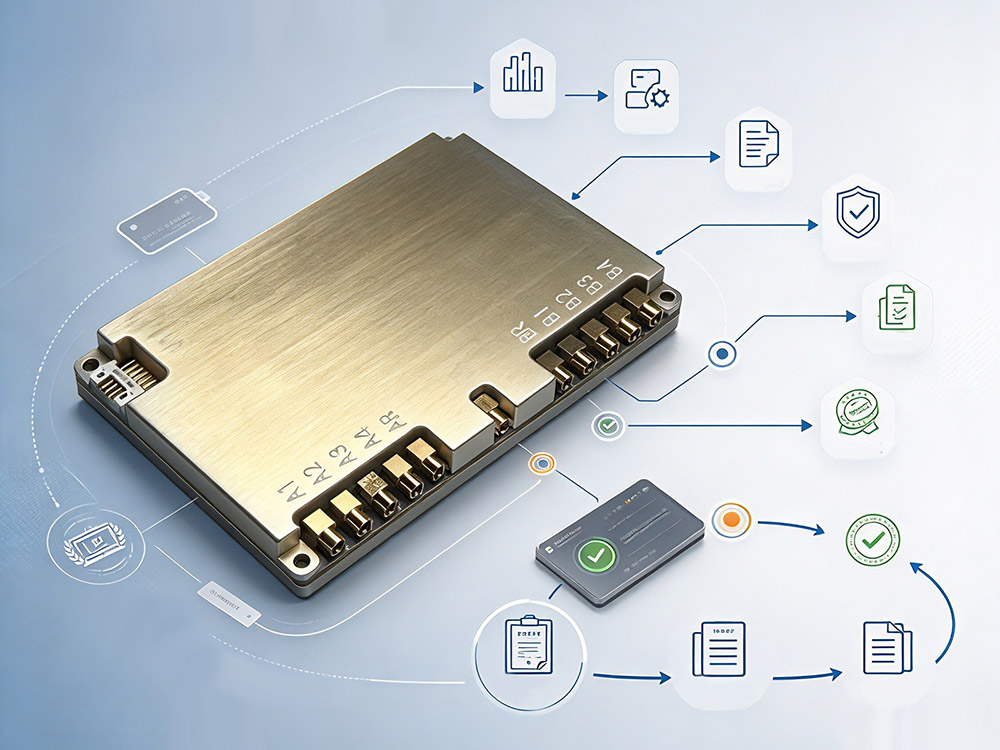
Export Compliance for Anti-Jamming Products: The Compliance Map
Different jurisdictions use different lists, but the core questions are similar: what is the item, who will use it, where will it go, and what will it be used for?
| Jurisdiction | Key Authority | What Exporters Usually Check |
|---|---|---|
| United States | BIS, DDTC, OFAC | ECCN, USML category, license requirements, embargoes |
| European Union | EU Dual-Use Regulation | Annex I controls, end-use controls, member state licenses |
| United Kingdom | Export Control Joint Unit | Strategic export controls, sanctions, end-user advice |
| Multilateral | Wassenaar Arrangement | Common dual-use and munitions list foundations |
The first mistake is assuming that “anti-jamming” is a single category. It is not. A low-power GNSS filter, a high-power jammer module, and a CRPA antenna can all land in different control buckets.
Why Anti-Jamming Hardware Draws Export Scrutiny
Anti-jamming technology sits close to electronic warfare, navigation warfare, and critical infrastructure protection. That combination invites attention from both dual-use and defense regulators.
Dual-Use or Defense?
Many anti-jamming products are reviewed as dual-use items because they have civil and military applications. Others may be controlled under defense lists if they are specially designed for military platforms or meet certain performance thresholds.
The label on the brochure does not decide this. Technical characteristics do.
The ECCN Question
An Export Control Classification Number, or ECCN, is often the first technical checkpoint in the United States. In the EU and UK, a similar list-based review applies.
| Factor | Why It Matters | Example Question |
|---|---|---|
| Frequency range | GNSS bands may be controlled differently from broadband RF | Does the module cover only GNSS bands or wider spectrum? |
| Output power | Higher power can trigger stricter controls | Is it a lab test source or an operational jammer? |
| Switching speed | Fast switching can suggest military utility | Can it follow dynamic platforms? |
| Antenna type | CRPA and beamforming add complexity | Is spatial nulling a core function? |
| Software | SDR code and encryption may be separately controlled | Is source code or firmware being exported? |
| End user | Civil lab vs. military unit changes risk | Who will operate the device? |
End-User and End-Use Risk
Even if an item is not on a list, an export may still require a license when the exporter knows or suspects a military, WMD, or sanctioned end use. That is why end-use statements and customer screening are not optional extras.
Export Compliance for Anti-Jamming Products: 5-Step Workflow
A repeatable workflow reduces panic. It also makes audits less painful.
-
Classify the product. Document frequency, power, antenna behavior, software, and intended use.
-
Confirm jurisdiction. Check whether the item falls under dual-use, defense, sanctions, or multiple regimes.
-
Screen the parties. Review customers, intermediaries, freight forwarders, banks, and end users.
-
Select the right authorization. A license, exception, or exemption must match the actual transaction.
-
Document and audit. Keep classification records, screening results, license conditions, and shipping evidence.
For technical teams, this workflow connects directly to GNSS anti-jamming testing and jamming simulation. Test data can reveal performance levels that affect classification.
Documentation Packet for Export Compliance for Anti-Jamming Products
A strong packet tells the story before a regulator asks. The table below shows what usually belongs in it.
| Document | Purpose | Common Gap |
|---|---|---|
| Classification memo | Explains ECCN or list category | Missing technical rationale |
| End-use statement | Confirms civil or approved use | Vague or unsigned |
| Non-re-export declaration | Limits onward transfer | Not enforced in contract |
| License application | Supports authorized shipment | Inconsistent with invoice |
| Technical data plan | Controls drawings, code, and specs | Ignored for email support |
| Screening records | Shows denied-party checks | No date or source |
| Shipping documents | Matches goods to authorization | Description too generic |
A GNSS simulator or test report may also be relevant when it proves that a product is limited to laboratory use. But the report must match the actual exported configuration.
Red Flags in Export Compliance for Anti-Jamming Products
Some warning signs are obvious. Others hide inside ordinary sales conversations.
-
The customer refuses to explain the end use.
-
The shipping route passes through a free zone with no clear final destination.
-
The requested frequency range has no civil justification.
-
The buyer asks for spare jammer modules but no test equipment.
-
Payment comes from an unrelated third party.
-
The end user is linked to military or sanctioned activities.
-
Technical documents are requested before any export review.
-
The customer asks to remove labels, serial numbers, or software limits.
Any one of these should trigger a pause and a documented review.
Common Mistakes in Export Compliance for Anti-Jamming Products
Treating Jammers as Ordinary RF Gear
Jammer modules are not ordinary RF accessories. Even low-power devices can be regulated, banned, or license-controlled depending on the destination and use.
Assuming a License Covers Everything
A license may cover a specific item, end user, and quantity. It does not automatically cover upgrades, spare parts, software, or a different consignee.
Forgetting Technical Data
Sending a schematic, calibration file, or source code can be an export. Technical data controls are easy to overlook because no physical shipment occurs.
Ignoring Deemed Exports
Allowing a foreign national to access controlled technology inside your facility can count as a deemed export. Access controls and visitor logs matter.
Skipping Post-Shipment Checks
Compliance does not end at the port. Post-shipment monitoring, recordkeeping, and re-export reminders help protect the exporter if the item is diverted.
Final Word on Export Compliance for Anti-Jamming Products
Export Compliance for Anti-Jamming Products works best when it is built into engineering, sales, and shipping from the start. Classify early. Screen carefully. Document clearly. Train the people who talk to customers and the people who send files. A disciplined process will not remove every risk, but it will turn a confusing trade-control maze into a manageable business workflow.