
Anti-jamming products protect GNSS receivers and communication links from interference, but they are not automatically “commercial” for export purposes. Many anti-jamming antennas, modules, and systems are dual-use or military-sensitive, and controls can apply to hardware, software, technical data, and even training. In 2026, exporters need a repeatable compliance process before quoting, shipping, or sharing specifications.
This article is not legal advice. It outlines practical checkpoints for teams handling export compliance for anti-jamming products.
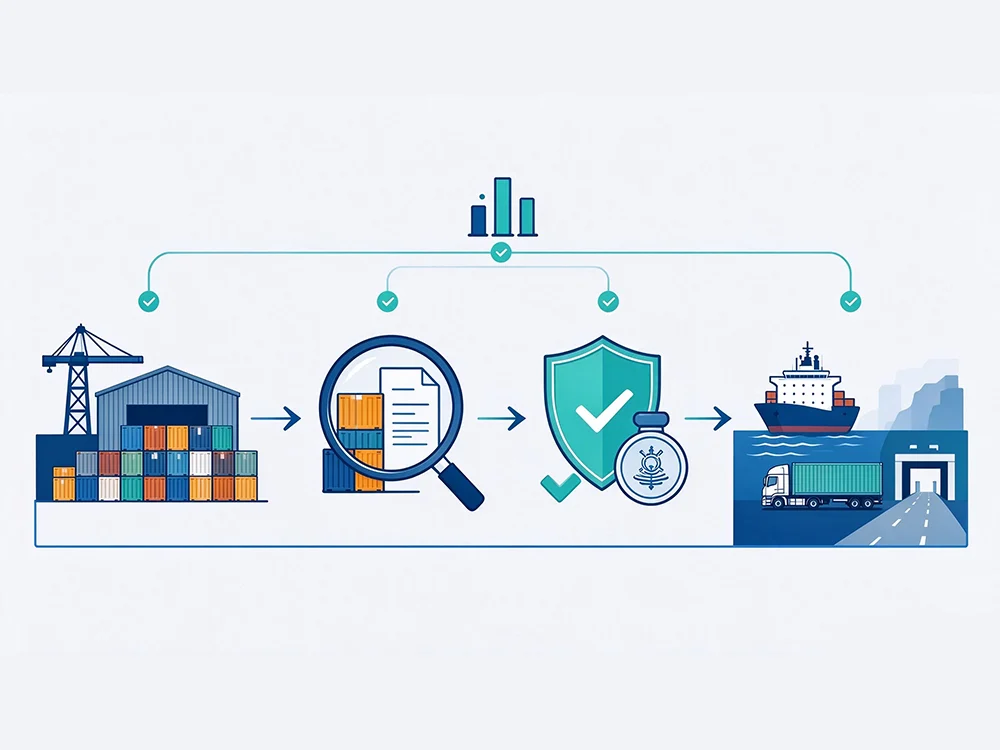
First, draw a clear product boundary
Anti-jamming equipment is defensive: it helps a receiver reject or mitigate interference. Jamming devices are different and are often prohibited or tightly controlled. That distinction matters, but it does not remove the need for product-specific classification. A commercial product name, a website description, or a distributor’s assurance is not enough. Review function, frequency, output power, encryption, software, military suitability, and intended end use.
The six compliance gates
| Gate | Key question | Evidence to keep |
|---|---|---|
| 1. Jurisdiction and classification | Is the item subject to EAR, ITAR, or another regime? What ECCN, USML category, or classification record applies? | Technical specifications, classification rationale, prior classifications, legal review notes |
| 2. Destination and parties | Is the destination subject to sanctions or embargoes? Are the customer, distributor, consignee, and owner screened? | Restricted-party screening logs, destination analysis, license determination |
| 3. End use and end user | Is the product for civil GNSS protection, a military platform, research, or re-export? Could it be diverted? | End-user statement, end-use statement, project details, customer due diligence |
| 4. License or exception | Is a license required? Does a license exception apply? Are all conditions met? | License application, exception analysis, approval records, conditions checklist |
| 5. Technical data and deemed export | Will schematics, source code, tuning data, or training be shared with foreign nationals? | Access controls, NDAs, technology control plan, training records |
| 6. Post-shipment | Are re-export, diversion, servicing, and distributor risks monitored? | Audit logs, distributor agreements, training evidence, escalation records |
Three areas that deserve extra attention
GNSS anti-jam antennas and CRPAs. Controlled reception pattern antenna (CRPA) technology and high-performance anti-jam antennas can be sensitive because performance details may reveal military capability. Classification should be documented before marketing materials are shared.
Software and firmware. Anti-jamming products often include algorithms, encryption, or update mechanisms. These can affect classification and license requirements. Do not assume that shipping hardware without source code avoids controls.
Technical support and training. Export controls can reach beyond the box. Sharing tuning methods, integration guidance, or troubleshooting data with a foreign national may raise deemed-export or technical-data questions.
Selection and compliance should run in parallel. For engineering criteria, see How to Choose an Anti-Jamming Antenna (2026 Guide).
Build a documentation package that can survive review
A strong package usually includes a plain-language product description, classification rationale, customer and distributor screening records, end-user and end-use statements, license or exception analysis, shipping documents, and training records. Keep versions and dates. If a product changes—new frequency band, higher power, new encryption, or military customer—revisit the classification and license position.
Red flags before you quote
-
The customer refuses to explain the end use or end user.
-
A commercial buyer cannot explain why it needs military-grade anti-jam performance.
-
The request involves unusual routing, third-party payments, or label changes.
-
The buyer asks for source code, tuning data, or integration training without a clear program.
-
The destination or parties change late in the order process.
-
The stated use conflicts with the destination’s known military programs.
Operational habits for 2026
Treat classification as a living record, not a one-time form. Train sales and support teams to escalate technical questions. Use one intake form for all anti-jamming inquiries. Audit distributors with the same discipline as direct customers. Keep records accessible for audits and license conditions. When the facts are unclear, pause the transaction and seek counsel.
Export compliance for anti-jamming products works best as a gate-based system: classify, screen, document, license, train, and monitor. That approach protects both the shipment and the company’s reputation.