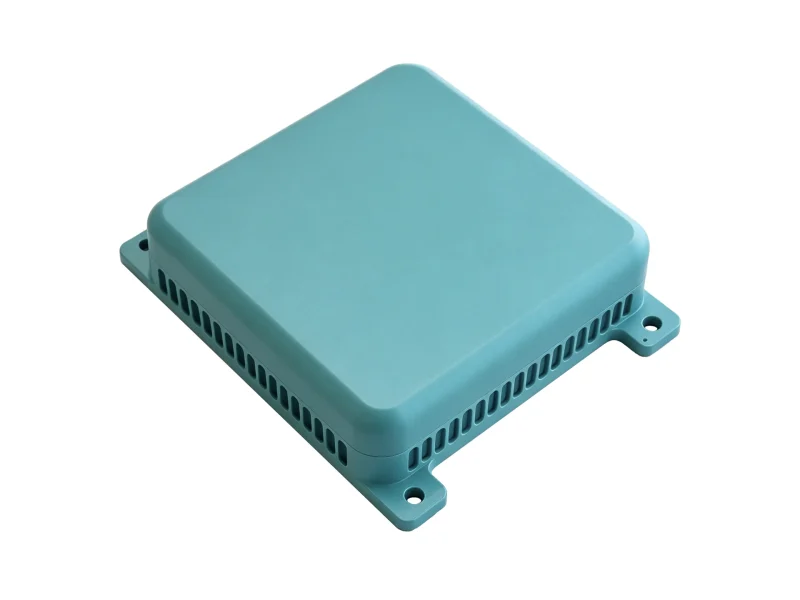
Anti-Jamming Antenna

BNTWL100M Four-Channel GNSS Anti-Jamming Antenna

Get the BNTWL100M 4-channel GNSS anti-jamming antenna. Covers BDS_B1, GPS_L1, GAL_E1. Features ≥95dB anti-three-interference, 100x100x26mm size, ≤8W power, and ≤300g weight.

Applications
Drone navigation security UGV and unmanned vessel navigation Fleet management Precision timing High‑end logistics
Frequency Points BDS_B1, GPS_L1, GAL_E1
Anti-single broadband interference capability ≥110dB
Anti-three-broadband interference capability ≥95dB
Size 100.0mm × 100.0mm × 26.0mm
Power ≤8W
Weight ≤300g

Built for Harsh RF Environments

When standard GNSS receivers fail under heavy electromagnetic pressure, system integrators need a more robust solution. The BNTWL100M four-channel satellite navigation anti-jamming antenna is engineered for heavy-duty platforms. It offers a larger footprint and higher power handling capacity than compact models, making it a dependable choice for industrial and military-grade deployments where signal loss is simply not an option.
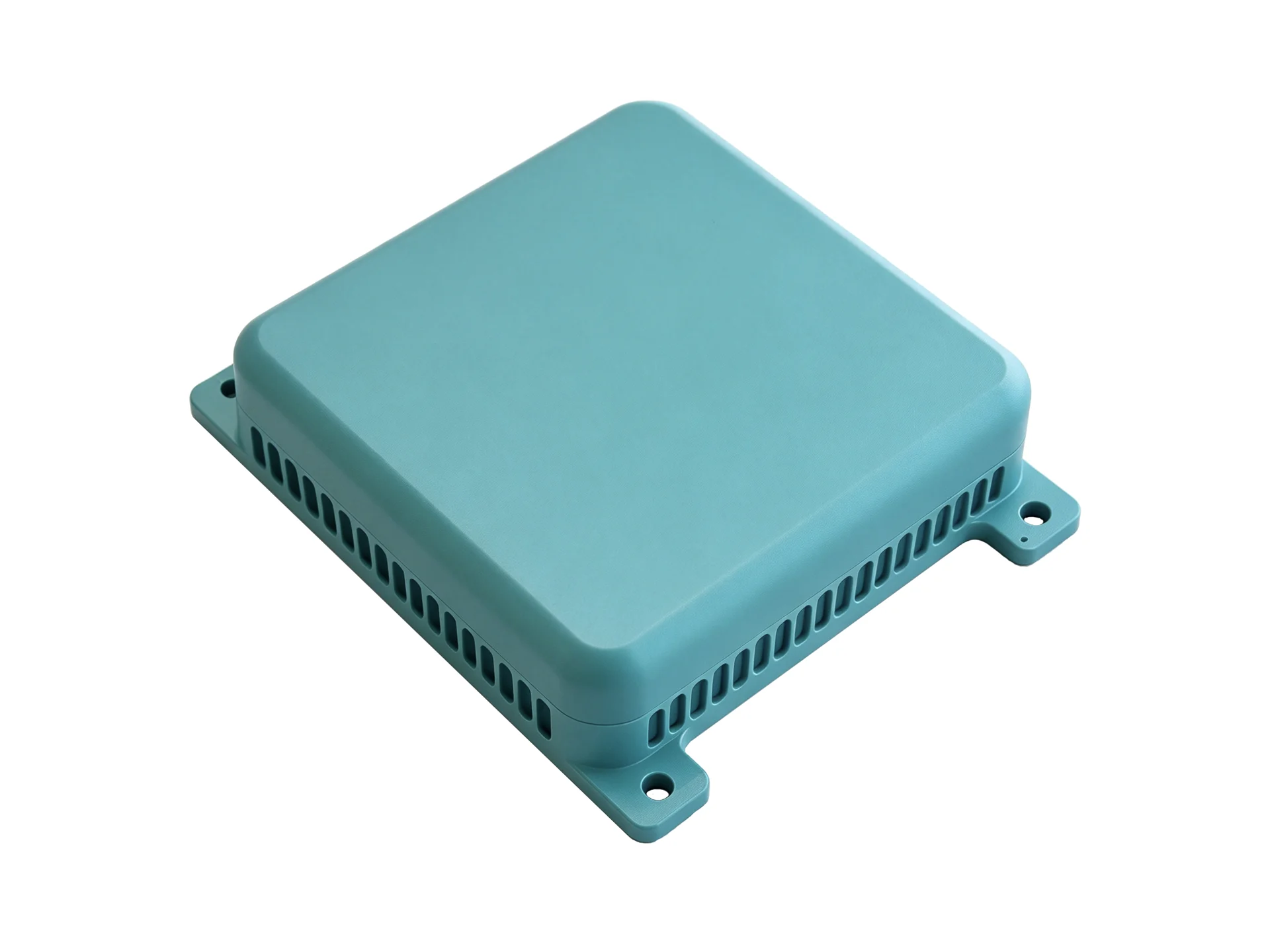
BNTWL100M Four-Channel GNSS Anti-Jamming Antenna

Enhanced Triple-Band Coverage

This unit tracks three critical frequency points simultaneously: BDS_B1, GPS_L1, and GAL_E1. By monitoring multiple constellations, the antenna ensures continuous positioning data even if a specific satellite network is degraded or blocked. The four-channel architecture effectively manages phase alignment and maintains strong signal integrity across all supported bands. This redundancy is vital for dynamic platforms that frequently move through urban canyons or dense vegetation.

Stronger Interference Suppression

The BNTWL100M shines in its defensive hardware. It delivers an anti-single broadband interference capability of ≥110dB and steps up the anti-three-broadband interference capability to ≥95dB. This elevated threshold means the internal filtering array can cancel out multiple simultaneous jamming threats. Field operators will appreciate the hardware-level mitigation, which acts instantly without draining host processor resources. It effectively blocks out unwanted RF noise, ensuring the tracking loop remains locked.

Hardware Specs and Power

Unlike ultra-lightweight alternatives, this model utilizes a 100.0mm × 100.0mm × 26.0mm chassis. The increased surface area assists with heat dissipation during high-draw operations. It operates at ≤8W power consumption and weighs ≤300g. The metallic casing shields the internal circuitry from external electromagnetic interference while providing a rugged physical barrier against environmental wear. The pre-drilled mounting holes make it easy to secure to vehicle roofs or drone frames.

Target Applications

Where does the BNTWL100M four-channel GNSS anti-jamming antenna fit best? It is ideal for heavy-duty ground vehicles, maritime vessels, and large-scale unmanned aerial systems. Surveying teams operating in highly congested areas will find the ≥95dB three-jammer resistance crucial for maintaining RTK corrections. Additionally, it is well-suited for stationary reference stations that require uninterrupted uptime in noisy radio environments.

How does this model differ from smaller four-channel antennas?
The BNTWL100M has a larger physical size (100x100mm) and higher power draw (8W), which allows for stronger anti-three-interference performance (≥95dB) and better heat dissipation for continuous heavy-duty use.
What kind of connectors does it use?
It typically uses standard RF connectors like SMA or TNC, but exact port configurations should be confirmed with the manufacturer's datasheet for your specific wiring harness.
Can it be permanently mounted outdoors?
Yes, the rugged metallic housing is designed for outdoor environments. Ensure the connectors are properly waterproofed during installation.
Does the 8W power draw require a special power supply?
It does need a reliable power source capable of delivering 8W. Make sure your power distribution board can handle the load without voltage drops.
Will the larger 300g weight affect small drone flight times?
At 300g, it is better suited for larger UAVs or fixed-wing aircraft. Small multi-rotor drones might experience reduced flight times or payload capacity.
How does it handle three jammers at once?
The four-channel array uses spatial filtering and null-steering technology to suppress up to three broadband interference sources simultaneously by at least 95dB.
Is there a significant delay in anti-jamming response?
No. The suppression happens at the analog hardware level, meaning the reaction time is near-instantaneous, preventing the receiver from losing lock.
What is the primary purpose of the metallic base?
The base acts as a ground plane for the antenna elements, provides structural rigidity, and acts as a heatsink for the internal signal processing electronics.
Can this antenna be integrated into a vehicle's existing roof rack?
Absolutely. The 100mm square footprint and pre-drilled mounting holes are designed for easy integration onto standard vehicle roof racks or metal plates.
Does it require any software configuration to function?
No software is needed. The antenna operates purely as a hardware filter. You simply connect it to your GNSS receiver and power it up.

Have Questions? Contact Us